The Step-by-Step Process for Safe, Effective Mold Remediation in Claymont
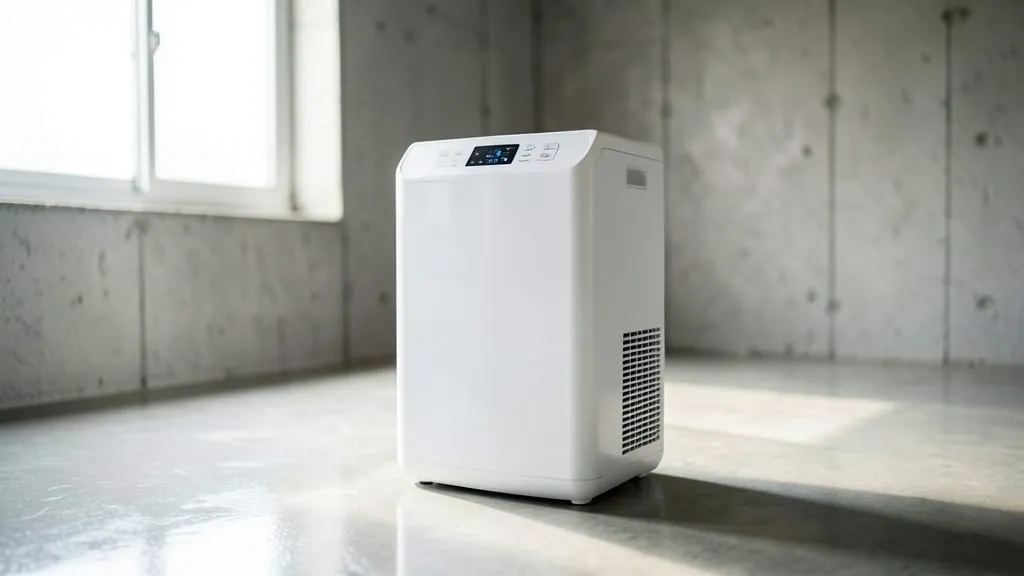
Mold doesn’t just damage property—it risks health and spreads fast if not handled correctly. Our team follows a strict, industry-backed process to safely remove mold and address the root moisture issue, ensuring it doesn’t return in Claymont homes or businesses.
Why Professional Mold Remediation Is Non-Negotiable in Claymont
DIY mold cleanup often misses hidden colonies behind walls, under flooring, or in HVAC systems. Without proper containment, spores spread to Wilmington, Bellefonte, or nearby areas through air currents, worsening the problem.
Improper handling can also expose occupants to mycotoxins, especially with toxic black mold. Professionals use PPE, HEPA filtration, and negative air pressure to protect health during removal.
Disturbing mold without containment can release millions of spores into the air, increasing respiratory risks and cross-contamination.
Step 1: Emergency Contact and Initial Assessment
When you suspect mold, time matters. Our team responds quickly to assess the extent of growth, moisture sources, and affected materials in Claymont properties.
We document visible mold, water stains, and musty odors, then determine if Mold Testing or Air Quality Testing is needed before remediation begins.
Step 2: Containment to Prevent Cross-Contamination
We isolate the work area with 6-mil plastic sheeting and use negative air pressure machines to vent spores outside. This prevents migration to clean areas like living spaces or neighboring units in multi-family buildings.
For severe cases in Ardentown or Ardencroft, we may deploy air scrubbers with HEPA filters to capture airborne spores during the process.
Step 3: Moisture Control and Water Damage Addressed First
Mold thrives in damp environments. We identify and fix the source—leaky pipes, poor drainage, or high humidity—before removal. In Claymont’s humid summers, dehumidifiers and improved ventilation are often critical.
For Water Damage Restoration, we dry out structures using industrial fans and moisture meters to confirm dryness before remediation starts.
Step 4: Mold Removal and Cleaning Protocols
Non-porous surfaces like tile or glass are cleaned with antimicrobial solutions. Porous materials (drywall, insulation, carpet) are often removed and replaced if heavily contaminated.
In Crawl Space or Basement Mold Remediation, we may encapsulate surfaces to prevent future growth, especially in older homes in Newport or Delaware City.
| Material Type | Typical Action | Why |
|---|---|---|
| Non-porous (glass, metal, tile) | Clean with antimicrobial agents | Spores cannot penetrate; surface cleaning suffices |
| Semi-porous (wood, concrete) | HEPA sanding + sealing | Spores may embed; requires deeper cleaning |
| Porous (drywall, carpet, insulation) | Remove and replace | Spores penetrate deeply; cannot be fully decontaminated |
Step 5: Air Filtration and Final Cleaning
After removal, we use HEPA vacuums to clean all surfaces, then run air scrubbers for 24–48 hours to capture residual spores. This step is vital in tight spaces like attics or HVAC systems.
For Attic Mold Remediation, we inspect ductwork and insulation, as spores often spread through HVAC systems to areas like Hockessin or Pike Creek.
Always replace HVAC filters after mold remediation to prevent recirculation of spores through the system.
Step 6: Restoration and Prevention
We repair or replace damaged materials, then apply mold-resistant primers or encapsulation in high-risk areas like basements or crawl spaces. In Claymont, we often recommend dehumidifiers for ongoing moisture control.
For Commercial Mold Remediation, we work with property managers in New Castle or Newark to implement long-term prevention plans, including regular inspections and humidity monitoring.
When to Consider Additional Testing or Services
If asbestos is suspected in older buildings (common in Trainer or Chester), we pause remediation and conduct Mold & Asbestos Testing before proceeding. Disturbing asbestos requires specialized abatement.
Post-remediation, Air Quality Testing confirms spore levels are safe. This is especially important for sensitive occupants in areas like Greenville or Elsmere.
Signs You May Need Additional Testing
- Building constructed before 1980 (asbestos risk)
- Visible crumbling or fibrous materials
- Unexplained health symptoms post-remediation
- Recurring mold after previous cleanup
How to Prepare Your Claymont Property for Mold Remediation
A few simple steps can help our team work efficiently and safely.
- 1Clear the Work Area
Remove furniture, personal items, and pets from the affected space. Cover or seal items that cannot be moved.
- 2Turn Off HVAC Systems
Prevent spores from spreading through ducts to other areas like Boothwyn or Talleyville.
- 3Identify Moisture Sources
Note any leaks, condensation, or water stains to share with our team during the assessment.
- 4Arrange Temporary Relocation if Needed
For large or toxic mold infestations, occupants may need to vacate during remediation for safety.
- 5Provide Access to All Areas
Ensure our team can reach attics, crawl spaces, and behind walls where mold may hide.
Frequently Asked Questions
How long does mold remediation take in Claymont?
Timelines vary based on the size of the infestation and the extent of water damage. Small, contained areas may take 1–3 days, while large or complex jobs (like full Basement Mold Remediation) can take a week or more. We provide a detailed estimate after the initial assessment.
Will mold come back after remediation?
Mold returns only if the moisture source isn’t fixed. Our process includes identifying and resolving the root cause—whether it’s a leak, poor ventilation, or high humidity—to prevent regrowth. Regular Mold Prevention & Moisture Control is key, especially in Claymont’s damp climate.
Is mold remediation covered by insurance in Delaware?
Coverage depends on your policy and the cause of the mold. If mold results from a covered water damage event (like a burst pipe), insurance may pay for remediation. We recommend checking with your provider and documenting all damage thoroughly.
Can you handle mold in my HVAC system?
Yes. HVAC Mold Remediation is a specialty of ours. We clean or replace contaminated ductwork, coils, and filters to prevent spores from circulating through your home or business in areas like Wilmington Manor or St. Georges.
Do you offer mold remediation for businesses in Claymont?
Absolutely. Our Commercial Mold Remediation services address offices, retail spaces, and industrial facilities. We work after hours to minimize disruption and ensure compliance with local and state regulations.
What’s the difference between mold removal and mold remediation?
Mold removal refers to physically eliminating mold from surfaces, while remediation includes removal, cleaning, containment, and addressing the moisture source to prevent recurrence. True remediation is a comprehensive process, not just a quick cleanup.