Expert Mold in Basements Guide: Prevention and Remediation for Claymont Homes
Basements in our region’s humid climate are prime targets for mold growth. Left unchecked, hidden spores can compromise structural integrity and indoor air quality. We’ll walk you through how to spot, prevent, and remediate basement mold—before it spreads to crawl spaces, attics, or HVAC systems in Claymont and nearby areas like Wilmington or Bellefonte.
Why Basements in Claymont Are Mold Magnets
Our coastal Delaware climate delivers high humidity, especially in spring and summer. Basements trap that moisture, creating ideal conditions for mold colonies to thrive on organic materials like wood framing, drywall, and cardboard.
Poor drainage around foundations—common in older neighborhoods like Arden or Edgemoor—exacerbates the problem. Even minor leaks or condensation from uninsulated pipes can sustain mold growth over time.
Early Signs of Basement Mold You Might Miss
Musty odors are the first red flag. If your basement smells earthy or damp, mold may already be present, even if it’s not visible.
Look for discoloration on walls, ceilings, or stored items. Black, green, or white spots—especially in corners or near water sources—warrant immediate attention. Staining on concrete or efflorescence (white mineral deposits) can also indicate excess moisture.
Mold behind drywall or under carpeting can spread rapidly. If you suspect hidden growth, schedule a professional mold inspection with air quality testing before it affects areas like your HVAC system or adjacent rooms.
Basement Mold vs. Mildew: Know the Difference
Mildew is surface-level, powdery, and typically white or gray. It’s easier to clean with household solutions but still signals excess moisture.
Mold penetrates materials, often appearing fuzzy or slimy in black, green, or brown hues. It requires professional remediation to fully remove spores and prevent regrowth.
| Feature | Mildew | Mold |
|---|---|---|
| Appearance | Powdery, flat | Fuzzy, slimy, or textured |
| Color | White, gray, or yellow | Black, green, brown, or multi-colored |
| Depth | Surface-level | Penetrates porous materials |
| Health Risk | Low to moderate | Moderate to high (mycotoxins possible) |
| Removal | DIY with cleaners | Professional remediation often required |
DIY Prevention: Controlling Moisture in Your Basement
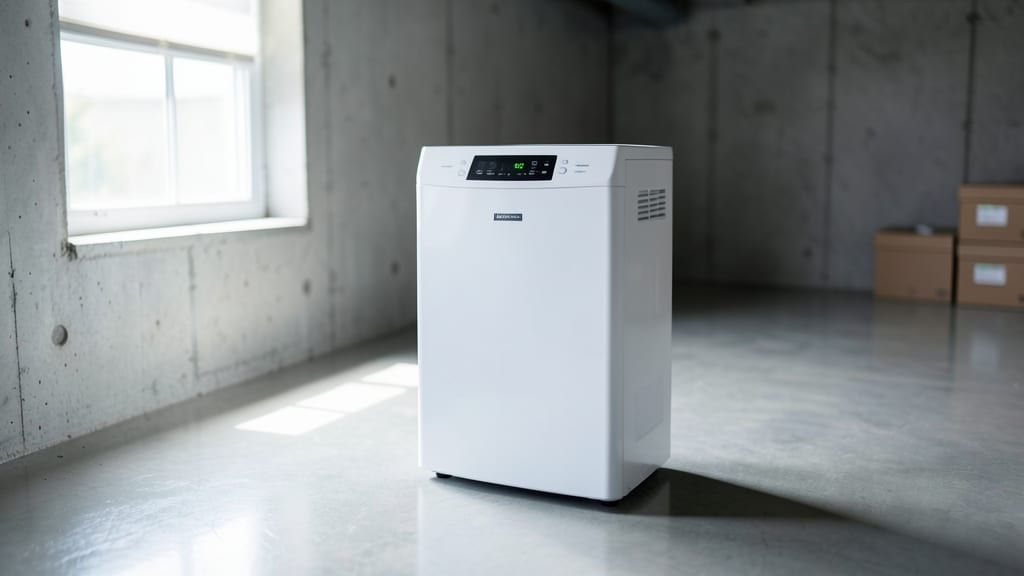
Start with a dehumidifier rated for basement use. Aim to keep humidity below 50%—critical in our region’s muggy summers. Empty the tank regularly or use a model with a drain hose.
Seal foundation cracks with hydraulic cement or polyurethane injections. Even hairline fractures can let in groundwater, especially after heavy rains common in Claymont and nearby Marcus Hook or Chester.
Ensure proper grading around your home. Soil should slope away from the foundation at least 6 inches over 10 feet. Downspouts should direct water at least 5 feet from the house.
Basement Moisture Control Checklist
- Install and maintain a dehumidifier (50% RH or lower)
- Use vapor barriers in crawl spaces or under flooring
- Inspect and repair foundation cracks annually
- Extend downspouts away from the foundation
- Consider a sump pump for chronic water issues
- Ventilate with fans or open windows during dry weather
When to Call a Professional for Basement Mold Remediation
If mold covers more than 10 square feet, or if it’s in your HVAC system, professional remediation is non-negotiable. DIY attempts can disturb spores, worsening the problem.
We also recommend expert intervention if mold returns after cleaning, or if occupants experience allergies, respiratory issues, or unexplained illnesses. Black mold (Stachybotrys) and other toxic varieties require specialized handling.
Before our team arrives, avoid running fans or HVAC systems to prevent spreading spores. Seal off the area with plastic sheeting if possible, and keep pets and children away.
Our Basement Mold Remediation Process in Claymont
We begin with a thorough mold inspection and air quality testing to identify the extent and type of mold. This step often reveals hidden issues in adjacent crawl spaces or attics.
Containment is critical. We use negative air pressure and HEPA filtration to isolate the affected area, preventing spores from migrating to other parts of your home in Claymont, Wilmington, or New Castle.
Porous materials like drywall and insulation are removed and replaced. Non-porous surfaces are cleaned with antimicrobial solutions, and we apply encapsulants to prevent future growth.
Finally, we address the root cause—whether it’s poor drainage, lack of ventilation, or a faulty sump pump—to ensure mold doesn’t return. This might include installing French drains or improving basement sealing.
Long-Term Mold Prevention for Claymont Homeowners
Regular inspections are key. Check for leaks, condensation, or musty odors every few months, especially after heavy rainfall or snowmelt.
Consider basement waterproofing if you live in a flood-prone area like Wilmington Manor or Delaware City. Interior or exterior systems can provide lasting protection.
Upgrade insulation and vapor barriers, particularly in crawl spaces. This reduces condensation and limits mold’s food sources. For older homes, encapsulation can be a game-changer.
Basement Mold and Your Home’s Systems
Mold doesn’t stay confined to basements. Spores can travel through HVAC systems, contaminating air ducts and spreading to upper levels. We often see this in homes with connected basements and forced-air heating.
If you suspect HVAC contamination, we recommend a separate air quality test for your ductwork. Remediation may require professional duct cleaning or even system replacement in severe cases.
How to Safely Clean Small Areas of Basement Mold
For minor mold patches (under 10 sq ft), you can tackle the cleanup yourself—if you follow these precautions.
- 1Protect Yourself
Wear an N95 respirator, gloves, and goggles. Open windows for ventilation but avoid running fans, which can spread spores.
- 2Contain the Area
Seal off the workspace with plastic sheeting. Use painter’s tape to secure edges and prevent spores from escaping.
- 3Clean Non-Porous Surfaces
Scrub moldy surfaces with a mixture of 1 cup bleach to 1 gallon of water (or a dedicated mold cleaner). Never mix bleach with ammonia or vinegar.
- 4Dry Thoroughly
Use fans or a dehumidifier to dry the area completely within 24-48 hours. Moisture is mold’s best friend.
- 5Dispose of Porous Materials
Bag and discard moldy drywall, insulation, or carpeting. Seal bags tightly before carrying them through the house.
- 6Monitor for Recurrence
Check the area weekly for signs of returning mold. If it comes back, call a professional for remediation and moisture control.
Frequently Asked Questions
How do I know if my Claymont basement has toxic black mold?
Black mold (Stachybotrys) is dark greenish-black and often slimy. However, color alone isn’t a reliable indicator—many molds appear black. The only way to confirm toxicity is through professional mold testing. If you see extensive black mold or experience health symptoms, contact us for an inspection.
Can basement mold spread to my HVAC system?
Absolutely. Mold spores are microscopic and easily airborne. If your basement has mold and your HVAC system draws air from or near that space, spores can contaminate ducts and spread throughout your home. We often perform HVAC mold remediation in tandem with basement treatments in Claymont and nearby areas like Boothwyn or Talleyville.
Will a dehumidifier alone solve my basement mold problem?
A dehumidifier helps control moisture but won’t remediate existing mold. If mold is already present, you’ll need to clean or remove affected materials and address the root cause of moisture. For chronic issues, combine a dehumidifier with waterproofing, vapor barriers, or improved drainage.
How much does basement mold remediation cost in Claymont?
Costs vary based on the size of the affected area, type of mold, and extent of damage. Factors include whether drywall or insulation needs replacement, if containment is required, and the root cause (e.g., foundation cracks vs. poor ventilation). For an accurate estimate, request a quote—we’ll assess your space and provide a detailed plan.
Can I paint over basement mold to cover it up?
No. Painting over mold only hides the problem temporarily. The mold will continue to grow beneath the paint, eventually causing peeling, discoloration, and further damage. Always remediate mold before repainting or refinishing surfaces.
Does homeowners insurance cover basement mold remediation in Delaware?
Coverage depends on your policy and the cause of the mold. If mold results from a covered peril (e.g., a burst pipe), your insurance may pay for remediation. However, mold due to neglect or long-term humidity issues is typically excluded. Review your policy and consult your insurer.