What Claymont Parents Should Know About Mold and Children’s Health
Mold isn’t just an eyesore—it’s a silent threat, especially for kids. In Claymont’s humid climate, hidden mold in basements, attics, or HVAC systems can trigger allergies, asthma, and worse. We help parents understand the risks and take action before small problems become big ones.
Why Mold Hits Kids Harder Than Adults
Children’s immune systems are still developing, making them more vulnerable to mold spores. Their smaller airways also mean even low-level exposure can cause stronger reactions.
Kids breathe faster than adults, inhaling more airborne spores per minute. This increases their risk of respiratory issues like wheezing, coughing, or chronic sinusitis.
Common Health Signs of Mold Exposure in Children
Unexplained rashes, itchy eyes, or persistent sneezing may signal mold sensitivity. These symptoms often worsen indoors and improve when the child is outside.
Asthma flare-ups or new-onset asthma are red flags. Mold can also trigger headaches, fatigue, or even memory issues in severe cases.
Watch for These Symptoms
- Chronic cough or throat irritation
- Skin rashes or eczema flare-ups
- Recurrent sinus infections or nasal congestion
- Wheezing or difficulty breathing
- Fatigue or unexplained headaches
Where Mold Hides in Claymont Homes
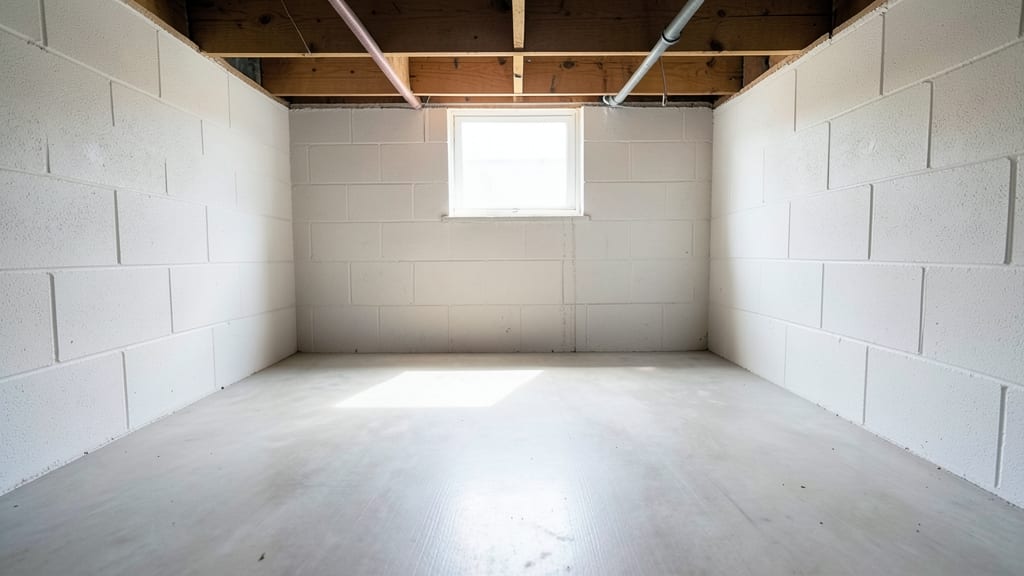
Basements and crawl spaces are prime targets, especially after heavy rains or poor drainage. Claymont’s clay soil can trap moisture against foundations, fueling growth.
Attics often harbor mold due to poor ventilation or roof leaks. HVAC systems can spread spores throughout the house if not properly maintained.
Bathrooms, kitchens, and laundry rooms are hotspots too. Even small leaks behind walls or under sinks can create ideal conditions for colonies to thrive.
Claymont’s Climate: A Mold-Friendly Environment
Our region’s high humidity, especially in summer, accelerates mold growth. Poor airflow in older homes—common in neighborhoods like Arden or Bellefonte—exacerbates the problem.
Seasonal temperature swings can cause condensation in walls or attics. Without proper insulation or vapor barriers, moisture gets trapped, leading to hidden infestations.
That ‘old house smell’ is often mold. If you notice it in your Claymont home, assume there’s a source until proven otherwise—especially in basements or near water damage.
Mold vs. Mildew: What’s the Difference?
Mildew is a surface fungus that’s easier to clean and less harmful. It appears as gray or white patches, often on shower walls or windowsills.
Mold penetrates deeper into materials like drywall or wood. It can be black, green, or even pink, and often has a fuzzy or slimy texture. Unlike mildew, mold poses serious health risks.
| Feature | Mold | Mildew |
|---|---|---|
| Appearance | Fuzzy, slimy, or discolored patches | Flat, gray or white powdery growth |
| Depth | Penetrates surfaces (drywall, wood, etc.) | Stays on the surface |
| Health Risk | High (respiratory issues, allergies, mycotoxins) | Low (mostly cosmetic) |
| Removal | Requires professional remediation | Can often be cleaned with bleach or vinegar |
| Growth Speed | Rapid in damp, dark areas | Slower, prefers moist, well-lit areas |
When to Call a Professional for Mold Testing
Visible mold covering more than 10 square feet requires expert attention. DIY fixes often miss hidden growth behind walls or under flooring.
If anyone in your household experiences unexplained health symptoms, a professional mold inspection and air quality test can identify the source. We use advanced tools like moisture meters and thermal imaging to detect hidden problems.
After water damage—from storms, leaks, or flooding—mold can start growing within 24-48 hours. Fast action prevents costly remediation later.
How Mold Remediation Protects Your Family
Professional remediation doesn’t just remove visible mold—it addresses the root cause. We isolate the area, remove contaminated materials, and treat surfaces to prevent regrowth.
HEPA air scrubbers and negative air pressure systems ensure spores don’t spread during cleanup. Post-remediation testing confirms the problem is resolved.
In Claymont, we often see mold return in homes where moisture issues weren’t fixed. Proper ventilation, dehumidifiers, and regular inspections are key to long-term prevention.
Preventing Mold in Claymont Homes
Control humidity with dehumidifiers, especially in basements and crawl spaces. Aim for levels below 50% to discourage growth.
Fix leaks promptly—whether in roofs, pipes, or windows. Even small drips can lead to big problems over time.
Improve airflow with exhaust fans in bathrooms and kitchens. Open windows when weather permits, and ensure vents aren’t blocked.
In fall, clean gutters to prevent water overflow near your foundation. In spring, check for roof damage after winter storms—common in areas like Hockessin or Pike Creek.
How to Inspect Your Home for Mold
A quick visual and sensory check can reveal potential mold issues before they escalate.
- 1Check for Visible Signs
Look for discoloration or fuzzy growth on walls, ceilings, or under sinks. Pay special attention to basements, attics, and around windows.
- 2Follow Your Nose
Musty odors are a telltale sign of hidden mold. Trace the smell to its source—often behind furniture, in closets, or near HVAC vents.
- 3Inspect for Water Damage
Stains, peeling paint, or warped floors indicate past or current moisture issues. These areas are prime for mold growth.
- 4Use a Moisture Meter
Inexpensive meters can detect high moisture levels in walls or floors. Readings above 15-20% suggest a problem.
- 5Monitor Health Symptoms
Track if symptoms like coughing or itchy eyes improve when away from home. This can confirm mold as the culprit.
Frequently Asked Questions
Can mold in my Claymont home make my child sick?
Yes. Mold exposure can trigger allergies, asthma attacks, respiratory infections, and even neurological symptoms in severe cases. Children are more susceptible due to their developing immune systems and higher breathing rates.
Is black mold more dangerous than other types?
Stachybotrys (black mold) produces mycotoxins that can cause serious health effects, but all mold should be treated as a potential hazard. The color alone doesn’t determine toxicity—professional testing identifies the species and risk level.
How do I know if my child’s symptoms are from mold?
If symptoms improve when they’re outside the home or worsen in certain rooms, mold could be the cause. A pediatrician can help rule out other conditions, while a mold inspection can confirm exposure.
Can I clean mold myself in my Claymont home?
Small, surface-level mold (under 10 sq ft) can often be cleaned with soap and water or a vinegar solution. However, porous materials like drywall or carpet may need removal. For larger infestations or hidden mold, professional remediation is safest.
What areas near Claymont are most prone to mold issues?
Older homes in Wilmington, Bellefonte, or Newark often have poor ventilation or past water damage. River-adjacent areas like Delaware City or New Castle can struggle with high humidity and flooding. Basements and crawl spaces in these regions are high-risk zones.
How can I prevent mold after water damage?
Act fast: dry the area within 24-48 hours using fans and dehumidifiers. Remove wet carpeting or furniture, and disinfect surfaces. For significant damage, call a water damage restoration team to ensure thorough drying and mold prevention.