Hidden Mold in Claymont: How Thermal Cameras Reveal What You Can’t See
Mold thrives where you least expect it—behind walls, under floors, or inside HVAC ducts. In Claymont’s humid climate, even a small leak or condensation issue can fuel hidden growth. Thermal cameras let our team see moisture patterns invisible to the naked eye, pinpointing problems before they spread.
Why Mold Hides in Claymont Homes
Our coastal Delaware humidity, frequent rain, and temperature swings create ideal conditions for mold to take hold unseen. Poor ventilation in basements, crawl spaces, or attics accelerates growth, especially after water damage.
Older neighborhoods like Arden or Edgemoor often have aging plumbing or insulation gaps, while newer builds in Pike Creek Valley may trap moisture in tight, energy-efficient envelopes. Both scenarios demand proactive detection.
How Thermal Imaging Works for Mold Detection
Infrared cameras detect temperature differences on surfaces. Wet materials—like drywall or insulation—retain heat differently than dry ones, revealing hidden moisture that feeds mold.
We scan walls, ceilings, and floors for cold spots or thermal anomalies. These patterns often align with leaks, condensation, or poor airflow, guiding us to problem areas without destructive testing.
Thermal imaging works best with a 10–15°F temperature differential between inside and outside. Early morning or evening scans in Claymont often yield the clearest results.
Thermal Cameras vs. Traditional Mold Inspection Methods
Standard visual inspections miss mold behind drywall or under flooring. Moisture meters can confirm dampness but don’t show the full extent of the issue.
Thermal imaging provides a non-invasive, wide-area view of moisture patterns, while air quality testing validates spore counts. Together, they offer a complete picture of the problem.
| Method | Pros | Limitations |
|---|---|---|
| Thermal Imaging | Non-invasive, quick, identifies moisture patterns | Cannot confirm mold type; needs follow-up testing |
| Moisture Meters | Pinpoints exact moisture levels | Limited to surface or probe areas; misses hidden pockets |
| Air Quality Testing | Quantifies spore count, identifies mold types | Doesn’t locate the source; requires lab analysis |
| Visual Inspection | Immediate, no equipment needed | Only detects visible mold; misses hidden growth |
Common Claymont Hotspots for Hidden Mold
Basements and crawl spaces in neighborhoods like Bellefonte or Boothwyn often suffer from poor drainage or high water tables. Thermal scans reveal damp insulation or foundation seepage.
Attics in older homes, especially in Ardentown or Ardencroft, may trap moisture from roof leaks or inadequate ventilation. HVAC systems in commercial spaces or large homes can also harbor mold in ductwork.
Bathrooms, kitchens, and laundry rooms are prone to condensation and pipe leaks. Even small gaps in caulking or grout can lead to chronic moisture issues over time.
What Thermal Imaging Can’t Tell You
While infrared cameras excel at detecting moisture, they can’t identify mold species or spore counts. That’s where air quality testing and lab analysis come in.
They also struggle with reflective surfaces like mirrors or metal, and thick insulation can mask underlying issues. Our team pairs thermal scans with moisture meters and visual checks for accuracy.
Thermal cameras may flag temperature variations from non-moisture sources, like electrical wiring or structural defects. Expert interpretation is critical to avoid misdiagnosis.
The Next Steps After Detecting Hidden Mold
Once we locate moisture hotspots, we confirm mold with air or surface sampling. This data guides our remediation plan, ensuring we address the root cause, not just the symptoms.
For widespread issues, containment and HEPA filtration are essential to prevent spore spread during removal. In Claymont’s humid summers, drying the area thoroughly is key to preventing recurrence.
Post-Detection Action Plan
- Confirm mold presence with lab-tested samples
- Isolate affected areas to prevent cross-contamination
- Remove porous materials (drywall, insulation) if contaminated
- Address moisture source (leaks, humidity, ventilation)
- Validate remediation with clearance testing
Preventing Mold in Claymont’s Climate
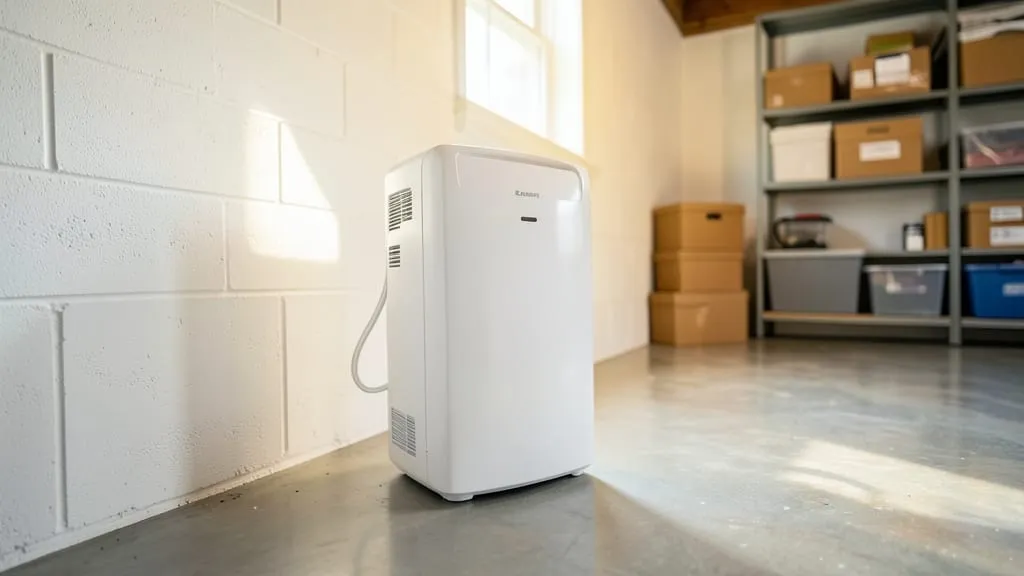
Controlling humidity is the first line of defense. Dehumidifiers in basements or crawl spaces, especially in areas like Newport or Delaware City, can mitigate moisture buildup.
Regular HVAC maintenance, including duct cleaning and filter changes, reduces mold risks in systems. Proper grading and gutters around the home prevent water from pooling near the foundation.
In attics, ensure soffit vents are unobstructed and consider a vapor barrier in crawl spaces. Small steps like these can save thousands in remediation costs down the line.
How to Prepare for a Thermal Mold Inspection
A little prep ensures the most accurate results from your thermal scan.
- 1Clear Access to Walls and Ceilings
Move furniture, rugs, or storage items away from exterior walls, baseboards, and ceilings. This allows unobstructed scanning of all surfaces.
- 2Turn Off HVAC Systems
Shut down heating or cooling systems at least 2–4 hours before the inspection. Active HVAC can create temperature variations that skew results.
- 3Note Known Problem Areas
Point out past water damage, musty odors, or visible stains to our team. This helps correlate thermal findings with existing concerns.
- 4Ensure Temperature Differential
If possible, avoid running heaters or AC right before the scan. A natural indoor-outdoor temperature difference improves thermal contrast.
- 5Provide Access to Hidden Spaces
Unlock attics, crawl spaces, or utility closets. These are critical areas for moisture detection but are often overlooked.
Frequently Asked Questions
Can thermal imaging find mold in my Claymont HVAC system?
Thermal cameras can detect temperature anomalies in ductwork that suggest moisture or mold, but they can’t see inside the ducts. We often pair thermal scans with borescope inspections or air quality testing for HVAC systems.
How long does a thermal mold inspection take in a typical Claymont home?
A full thermal scan for an average-sized home usually takes 1–2 hours. Larger properties or those with complex layouts, like historic homes in Arden, may require additional time.
Is thermal imaging safe for my home and family?
Yes. Thermal cameras use infrared technology and emit no radiation or harmful emissions. They’re completely non-invasive and safe for people, pets, and property.
Will thermal imaging work if my Claymont home has thick insulation?
Thick insulation can obscure some moisture patterns, but skilled technicians can often identify anomalies at the edges or through gaps. We may supplement with moisture meters for confirmation.
What’s the difference between thermal imaging and mold testing?
Thermal imaging locates moisture issues that *may* indicate mold, while mold testing (air or surface samples) confirms the presence and type of mold. Both are often used together for a thorough assessment.
Do I need thermal imaging if I already see mold?
Visible mold is just the tip of the iceberg. Thermal imaging helps determine the full extent of moisture damage behind walls or under floors, ensuring we address all affected areas during remediation.