DIY vs. Professional Mold Prevention in Claymont – Which Approach Fits Your Home?
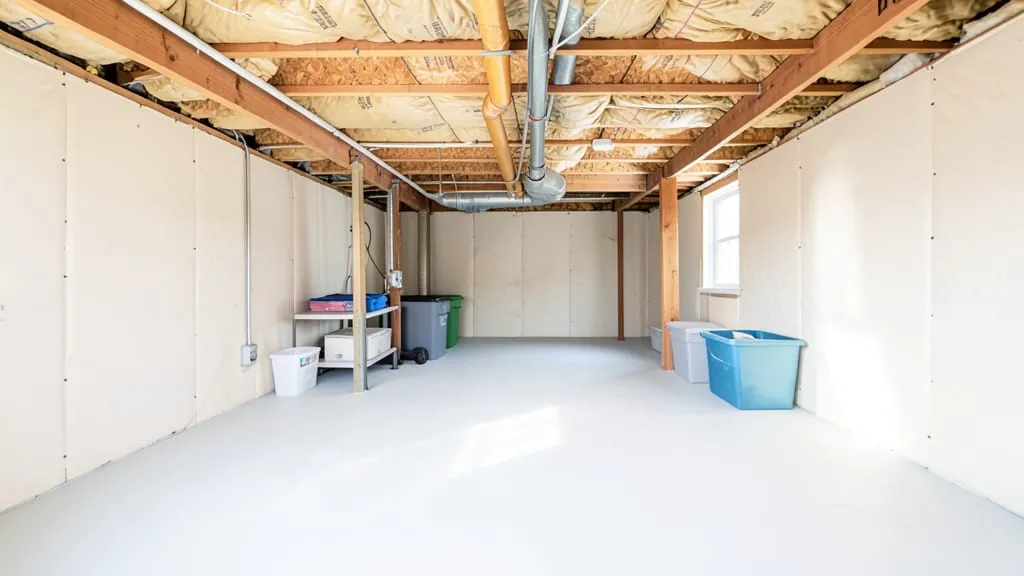
Mold thrives in Claymont’s humid summers and damp basements, but not all prevention methods are equal. DIY fixes can tackle small, surface-level issues, while professional remediation addresses hidden growth and structural vulnerabilities. We break down when to roll up your sleeves—and when to call our team.
Why Mold Prevention Matters in Delaware’s Climate
Claymont’s proximity to the Delaware River and seasonal humidity create ideal conditions for mold colonization. Without proactive measures, spores can take hold within 24–48 hours of water exposure.
Basements in older neighborhoods like Edgemoor or Arden often lack proper vapor barriers, while attics in Talleyville or Greenville may suffer from poor ventilation. These are prime targets for unseen growth.
DIY Mold Prevention: What You Can Handle
For minor, non-toxic mold on surfaces like tile or glass, a bleach solution (1:10 ratio) or vinegar can kill spores. Always wear an N95 respirator and gloves—mold exposure isn’t just unsightly, it’s a health risk.
Dehumidifiers are your best defense in crawl spaces or basements. Aim for 30–50% humidity. Empty the tank daily or opt for a model with a drain hose to prevent standing water.
Seal gaps around windows, pipes, and foundations with mold-resistant caulk. In areas like Wilmington Manor or Bellefonte, older homes often have hidden entry points for moisture.
DIY Mold Prevention Essentials
- Use a hygrometer to monitor humidity levels
- Clean gutters and downspouts to direct water away from the foundation
- Inspect HVAC drip pans and drain lines for clogs
- Replace carpet in damp areas with moisture-resistant flooring
The Limits of DIY: When Mold Hides or Spreads
Surface cleaning won’t touch mold behind drywall, under flooring, or in HVAC ducts. In Claymont’s historic homes, plaster walls can harbor growth for years without visible signs.
If you smell a musty odor but can’t find the source, it’s likely hidden. Mold in attics (common in Pike Creek or North Star) or crawl spaces often goes undetected until it’s widespread.
Health risks escalate with toxic strains like Stachybotrys (black mold). Symptoms range from allergies to respiratory distress—especially dangerous for children, the elderly, or immunocompromised residents.
Discolored drywall, peeling paint, or warped flooring often signal deep mold. DIY removal here can release spores into the air, worsening contamination.
Professional Mold Prevention: What We Bring to Claymont Homes
Our team starts with a thorough mold inspection and air quality testing. We use thermal imaging to detect moisture behind walls and in ceilings—critical for homes in flood-prone areas like Newport or Delaware City.
For crawl spaces, we install vapor barriers and encapsulation systems to block ground moisture. In basements, French drains or sump pumps may be needed to address water intrusion at the source.
Antimicrobial treatments and HEPA vacuuming ensure spores are removed, not just killed. This is especially important in commercial spaces or multi-unit buildings in Wilmington or New Castle.
| Task | DIY Feasibility | Professional Advantage |
|---|---|---|
| Surface mold cleaning | High (with proper PPE) | Not applicable |
| Humidity control with dehumidifiers | High | Expert placement for whole-home solutions |
| Hidden mold detection | Low (limited to visible areas) | Thermal imaging, moisture meters, air testing |
| Crawl space encapsulation | Low (requires specialized materials) | Sealed vapor barriers, drainage systems |
| HVAC mold remediation | Low (risk of cross-contamination) | Duct cleaning, coil treatment, system sanitization |
| Structural repairs (e.g., waterproofing) | Low | French drains, sump pumps, foundation sealing |
Cost Factors: DIY Savings vs. Long-Term Protection
DIY costs are upfront: dehumidifiers ($150–$400), cleaning supplies, and minor repairs. But without addressing the root cause, mold often returns, leading to repeated expenses.
Professional remediation costs depend on square footage, mold type, and the extent of water damage. Factors like crawl space size (common in Ardentown or Ardencroft) or attic insulation gaps drive the scope.
Think of it as an investment. Proper waterproofing in a basement can prevent thousands in future damage. For a precise estimate, request a quote—we’ll assess your home’s unique needs.
If mold results from a covered water damage event (e.g., burst pipe), your homeowner’s policy might offset remediation costs. We provide documentation for claims.
Local Hotspots: Where Claymont Homes Need Extra Attention
Homes near the Brandywine Creek or in low-lying areas like Boothwyn or Trainer are prone to basement flooding. Sump pumps and backup batteries are non-negotiable here.
In neighborhoods with older housing stock, like Elsmere or Greenville, attic mold is common due to poor ventilation. Ridge vents or solar-powered fans can mitigate this.
Commercial properties in Wilmington or Newark often require HVAC mold remediation. Poorly maintained systems circulate spores throughout the building, affecting employees and customers.
Prevention After Remediation: Keeping Mold at Bay
Post-remediation, we recommend annual mold inspections, especially if your home has a history of water issues. Areas like St. Georges or Glasgow, with higher groundwater levels, benefit from proactive monitoring.
Upgrade to mold-resistant materials during renovations. Use paperless drywall in basements and moisture-resistant paint in bathrooms or kitchens.
Educate your household on moisture control. Simple habits—using exhaust fans, fixing leaks promptly, and avoiding carpet in damp areas—can prevent recurrence.
How to Inspect Your Home for Early Signs of Mold
Catching mold early saves time, money, and health. Here’s how to conduct a preliminary check.
- 1Check for Visual Signs
Look for black, green, or white spots on walls, ceilings, or under sinks. Pay special attention to bathrooms, kitchens, and basements.
- 2Follow Your Nose
A musty odor is a red flag. Mold often hides behind furniture, under carpets, or inside HVAC systems, where it’s not visible.
- 3Inspect for Water Damage
Stains, peeling paint, or warped wood indicate past or current moisture issues. Check around windows, pipes, and appliances.
- 4Use a Moisture Meter
Available at hardware stores, these tools measure moisture levels in walls or floors. Readings above 17% suggest a problem.
- 5Monitor Humidity
Use a hygrometer to track indoor humidity. Consistently high levels (above 60%) require a dehumidifier or ventilation improvements.
- 6Call a Professional
If you find signs of mold or can’t locate the source, schedule a mold inspection. We use advanced tools to assess what’s hidden.
Frequently Asked Questions
Can I use bleach to kill mold in my Claymont basement?
Bleach works on non-porous surfaces like tile but won’t penetrate porous materials like drywall or wood. For basements, a vinegar solution or hydrogen peroxide is safer and more effective for surface mold. However, hidden growth requires professional remediation.
How often should I test for mold in my home?
Annual air quality testing is wise, especially in humid climates like Delaware’s. If your home has experienced water damage, flooding, or you notice musty odors, test immediately. We also recommend testing before purchasing a home in Claymont or nearby areas like Hockessin.
What’s the difference between mold testing and mold inspection?
Mold testing (air or surface samples) identifies spore types and concentrations. An inspection is a visual and technical assessment of your home’s moisture sources and potential mold hotspots. For thorough prevention, both are often needed—especially in older homes in Ardencroft or Wilmington Manor.
Does homeowners insurance cover mold remediation in Claymont?
Coverage varies. Most policies exclude mold unless it’s a direct result of a covered peril, like a burst pipe. We provide detailed reports to support your claim, but always check your policy first.
Can mold in my HVAC system spread to other parts of the house?
Absolutely. HVAC systems can distribute mold spores throughout your home, worsening air quality. If you suspect HVAC mold—common in areas like Pike Creek Valley or North Star—professional duct cleaning and sanitization are essential.
What’s the best way to prevent mold in a crawl space?
Start with a vapor barrier to block ground moisture. Add a dehumidifier sized for the space, and ensure proper drainage around the foundation. In Claymont’s damp climate, encapsulation (sealing the crawl space) is the gold standard for long-term prevention.