Air Quality Testing for Mold: How to Protect Your Family in Claymont
Mold isn’t always visible, but its spores can silently compromise your indoor air. We use precise air quality testing to uncover hidden threats in Claymont homes before they escalate into health risks or structural damage. Early detection saves time, money, and stress.
Why Air Quality Testing for Mold Matters in Delaware Homes
Delaware’s humid summers and wet springs create ideal conditions for mold growth. Even a small leak or poor ventilation in Claymont basements or attics can trigger spore proliferation.
Air quality testing identifies mold types and spore concentrations you can’t see. This data guides targeted remediation, preventing respiratory issues and property damage.
Signs You Need Professional Mold Air Testing
Persistent musty odors, unexplained allergies, or visible water stains are red flags. In older neighborhoods like Arden or Edgemoor, aging plumbing and poor drainage often hide moisture problems.
Condensation on windows, peeling paint, or warped drywall also signal excess humidity. Don’t wait for black mold to appear—test early.
Common Mold Warning Signs
- Musty or earthy odors in HVAC systems or basements
- Increased allergy or asthma symptoms indoors
- Water stains on ceilings, walls, or under sinks
- Peeling paint or wallpaper in high-moisture areas
- Condensation on windows or pipes
How We Test for Mold in the Air
Our team uses spore trap sampling to capture airborne mold particles. We analyze samples under a microscope to identify species like Aspergillus, Penicillium, or Stachybotrys (black mold).
For deeper insights, we may deploy ERMI testing—a dust-based DNA analysis that detects mold at the genetic level. This is especially useful in Wilmington Manor or Bellefonte homes with suspect HVAC systems.
Air Sampling vs. Surface Testing: What’s the Difference?
Air sampling measures spore concentration in the air, revealing hidden mold in walls or ductwork. Surface testing swabs visible growth to confirm species and toxicity.
Both methods complement each other. In crawl spaces or basements near Marcus Hook or Trainer, we often combine them for a full picture.
| Method | Best For | Limitations |
|---|---|---|
| Air Sampling | Detecting hidden mold in air ducts, walls, or attics | May miss non-airborne spores |
| Surface Testing | Confirming species on visible growth | Doesn’t measure airborne concentration |
| ERMI Testing | Comprehensive mold DNA analysis in dust | More expensive, requires lab time |
Local Hotspots: Where Mold Hides in Claymont Area Homes
Basements in North Star or Brookside often suffer from poor drainage. Attics in Pike Creek Valley trap heat and moisture, fostering growth on plywood or insulation.
Crawl spaces in St. Georges or Glasgow are notorious for high humidity. HVAC systems in older Wilmington homes can spread spores if not properly maintained.
Mold in ductwork circulates spores throughout your home. We always inspect HVAC components during air quality testing in Claymont and nearby areas.
The Role of Moisture in Mold Growth
Mold needs moisture to thrive. Leaky pipes, roof leaks, or high humidity (above 60%) create perfect breeding grounds. In Delaware City or Port Penn, flooding risks exacerbate the problem.
We use moisture meters and thermal imaging to pinpoint water intrusion. Fixing the source is critical—remediation fails without moisture control.
What to Expect During Your Mold Air Quality Test
Our process starts with a visual inspection of your property, focusing on high-risk areas. We then collect air and surface samples, which are sent to an accredited lab for analysis.
You’ll receive a detailed report within 3–5 business days, outlining spore types, concentrations, and remediation recommendations. For urgent cases in Newark or New Castle, we expedite results.
Next Steps After Testing: Remediation and Prevention
If mold is detected, we design a remediation plan tailored to your home. This may include containment, HEPA filtration, and safe removal of affected materials in Claymont or surrounding areas.
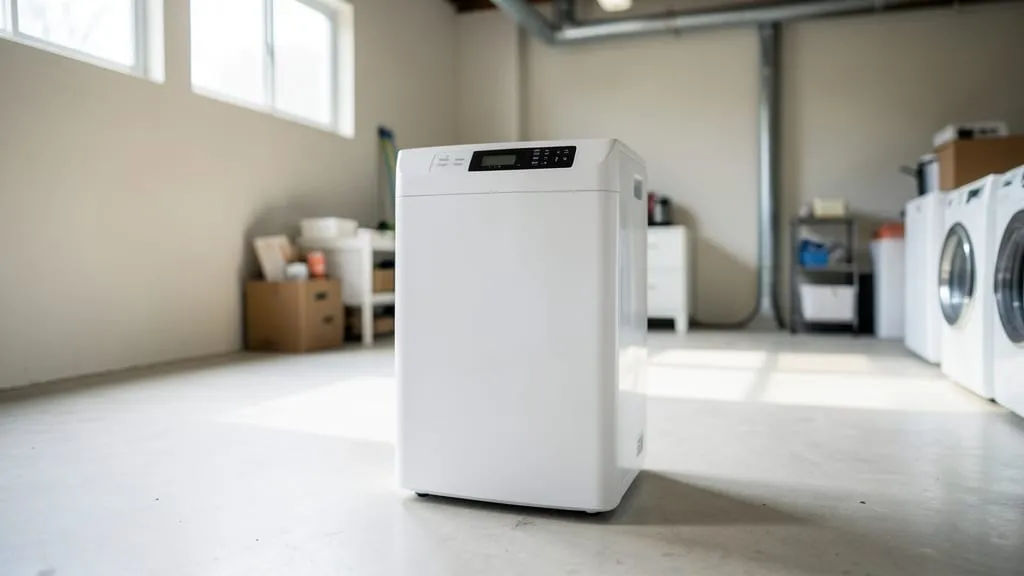
Prevention is key. We recommend dehumidifiers for basements in Bear or Hockessin, improved ventilation for attics in Pike Creek, and regular HVAC maintenance for all properties.
Install a dehumidifier in basements or crawl spaces and maintain humidity below 50%. Regularly inspect plumbing and roofing for leaks.
How to Prepare for a Mold Air Quality Test
A few simple steps ensure accurate results during your Claymont mold inspection.
- 1Close Windows and Doors
Keep your home sealed for at least 12 hours before testing to avoid skewed spore counts from outdoor air.
- 2Turn Off HVAC Systems
Shut down heating or cooling systems 1 hour prior to prevent spores from circulating or being filtered out.
- 3Avoid Cleaning
Don’t vacuum, dust, or use air purifiers 24 hours before the test—this can temporarily reduce spore levels.
- 4Clear Access to Problem Areas
Move furniture or storage away from basements, attics, or crawl spaces to allow thorough inspection.
- 5Note Any Odors or Symptoms
Inform our team about musty smells, water damage history, or health concerns to guide targeted testing.
Frequently Asked Questions
How often should I test for mold in my Claymont home?
Test annually if your home has a history of moisture issues or after major water events. For older homes in Arden or Edgemoor, or if occupants have allergies, consider testing every 6–12 months.
Can air quality testing detect mold behind walls?
Yes. Air sampling captures spores released from hidden mold colonies. Elevated spore counts often indicate concealed growth, which we can confirm with further inspection.
Is mold air testing safe for children and pets?
Absolutely. Our non-invasive methods pose no risk to your family or pets. We use sterile equipment and avoid disturbing existing mold during sampling.
What’s the difference between mold testing and a home inspection?
A home inspection is a general visual assessment. Mold testing specifically targets spores and mycotoxins in the air or on surfaces, providing lab-verified data for remediation planning.
Do you serve areas near Claymont, like Wilmington or Newark?
Yes. We provide air quality testing and mold remediation across New Castle County, including Wilmington, Newark, Bellefonte, and Hockessin. Request a quote for your location.
What factors affect the cost of air quality testing for mold?
Cost depends on the size of your home, number of samples needed, and testing type (e.g., basic air sampling vs. ERMI). Complex layouts or hard-to-access areas like crawl spaces may require additional samples. Request a quote for a precise estimate.